
When planning a remodeling project or building a new home, the finish quality of your interior walls is paramount. Most modern construction relies on standard drywall joint taping (often called taping and mudding). However, premium homebuilders and discerning homeowners frequently choose veneer plastering over blueboard.
What is the difference between these two finishing techniques, and which is right for your project?
The Processes Explained
Drywall Joint Taping
With standard drywall, gypsum boards are hung, and joint compound (mud) and paper tape are applied only to the joints, corners, and fastener heads. The boards themselves are left exposed, and after three coats of mud and sanding, the surface is painted.
Veneer Plastering
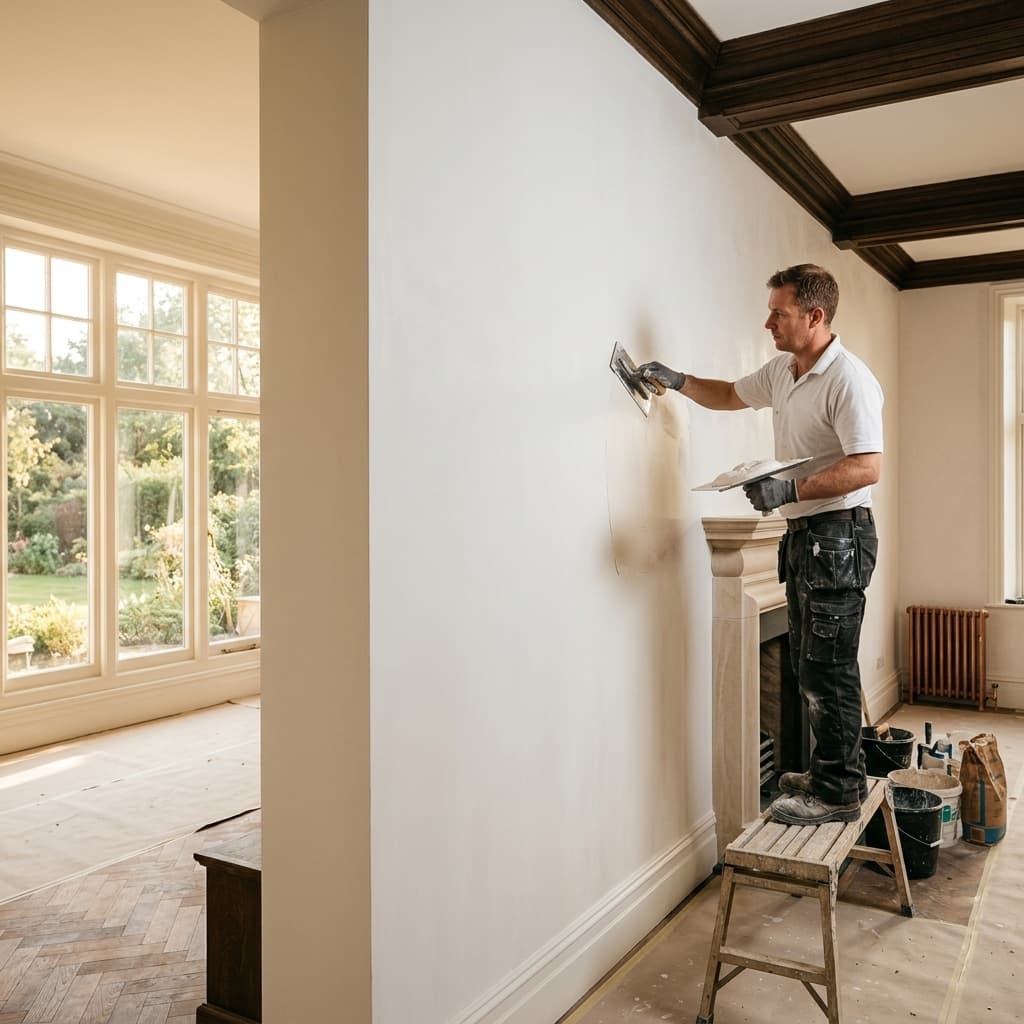
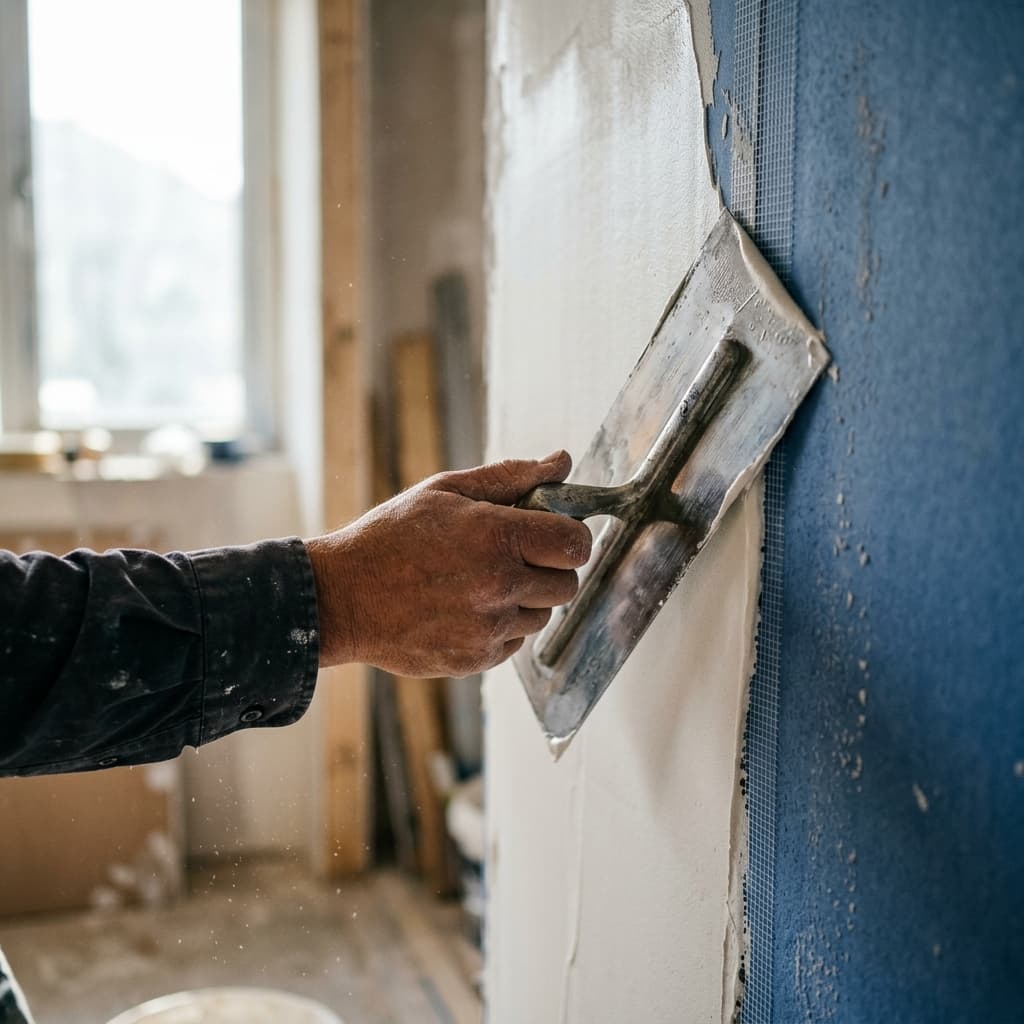
With veneer plastering, a specialized baseboard called blueboard is installed. Instead of mudding only the seams, a highly skilled plasterer applies a thin, continuous coat (typically 1/16 to 3/32 of an inch) of premium veneer plaster over the entire wall surface.
Head-to-Head Comparison
| Feature | Drywall Joint Taping | Veneer Plastering |
|---|---|---|
| Surface Finish | Smooth but has texture differences between paper and mud. | Mirror-smooth, rock-hard, monolithic surface. |
Commentaires