
When it comes to home renovation, achieving smooth, solid, and seamless walls is one of the most critical steps. Whether you are finishing a basement, repairing a ceiling, or remodeling a bedroom, understanding the fundamentals of drywall hanging and taping can make all the difference.
While it is a highly skilled craft, understanding the process helps homeowners make informed decisions and communicate effectively with professional contractors.
Step 1: Choosing the Right Drywall Materials
Before hanging a single sheet of drywall, you must choose the correct type of board for your space:
- Standard Drywall (Whiteboard): Ideal for living rooms, dining rooms, and bedrooms.
- Moisture-Resistant Drywall (Greenboard): Recommended for bathrooms and laundry areas.
- Fire-Rated Drywall (Type X): Required for garages, furnace rooms, and multi-family dividing walls.
- Blueboard: Specifically formulated for veneer plastering (a premium alternative to traditional taping).
Step 2: Hanging Drywall Correctly
Hanging drywall is all about planning the layout to minimize joints. Here are the core rules:
- Hang Ceilings First: Always install sheets on the ceiling before moving to the walls.
- Perpendicular Layout: Install sheets perpendicular to the studs to maximize strength and reduce joint length.
- Stagger the Joints: Avoid aligning vertical seams across studs, as this creates weak points prone to cracking.
- Fastener Spacing: Space screws 12 inches apart on walls and 8 inches on ceilings to prevent sagging.
Step 3: The Three-Coat Taping Process
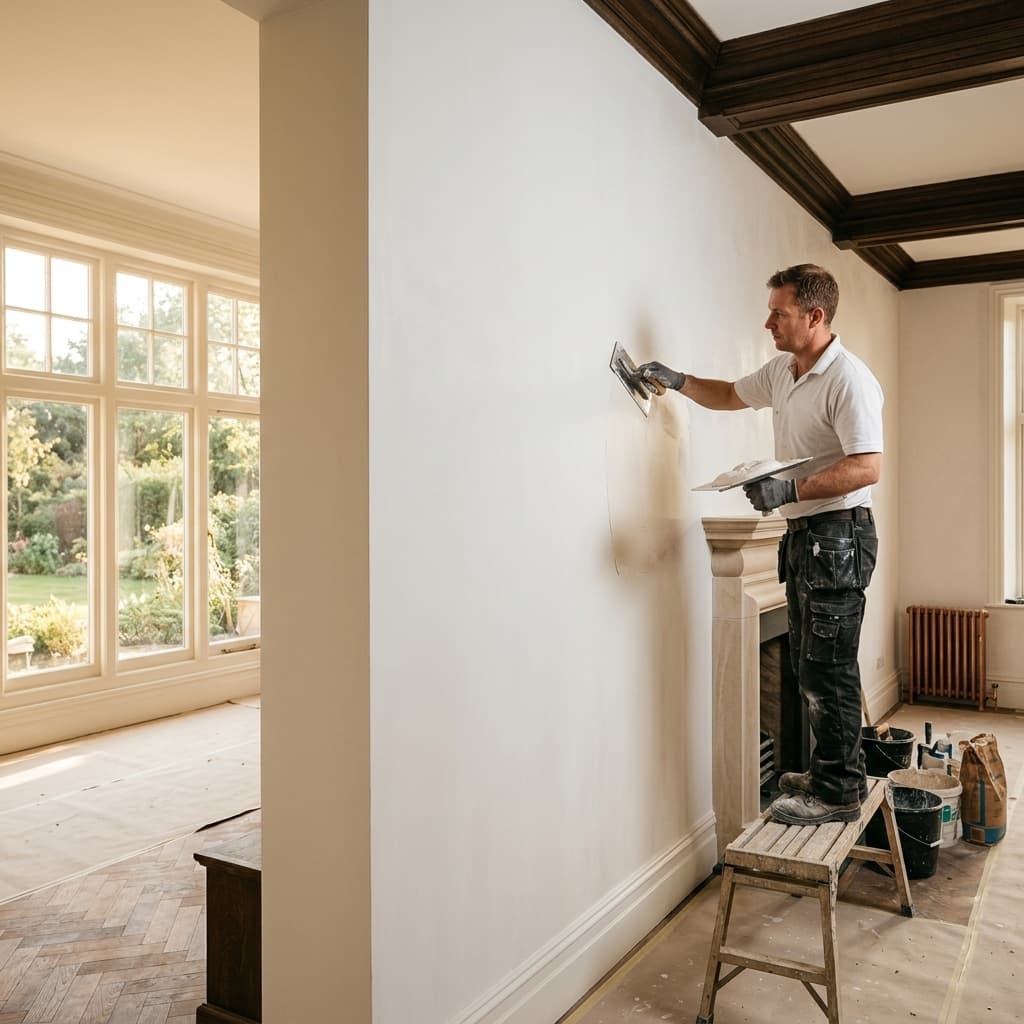
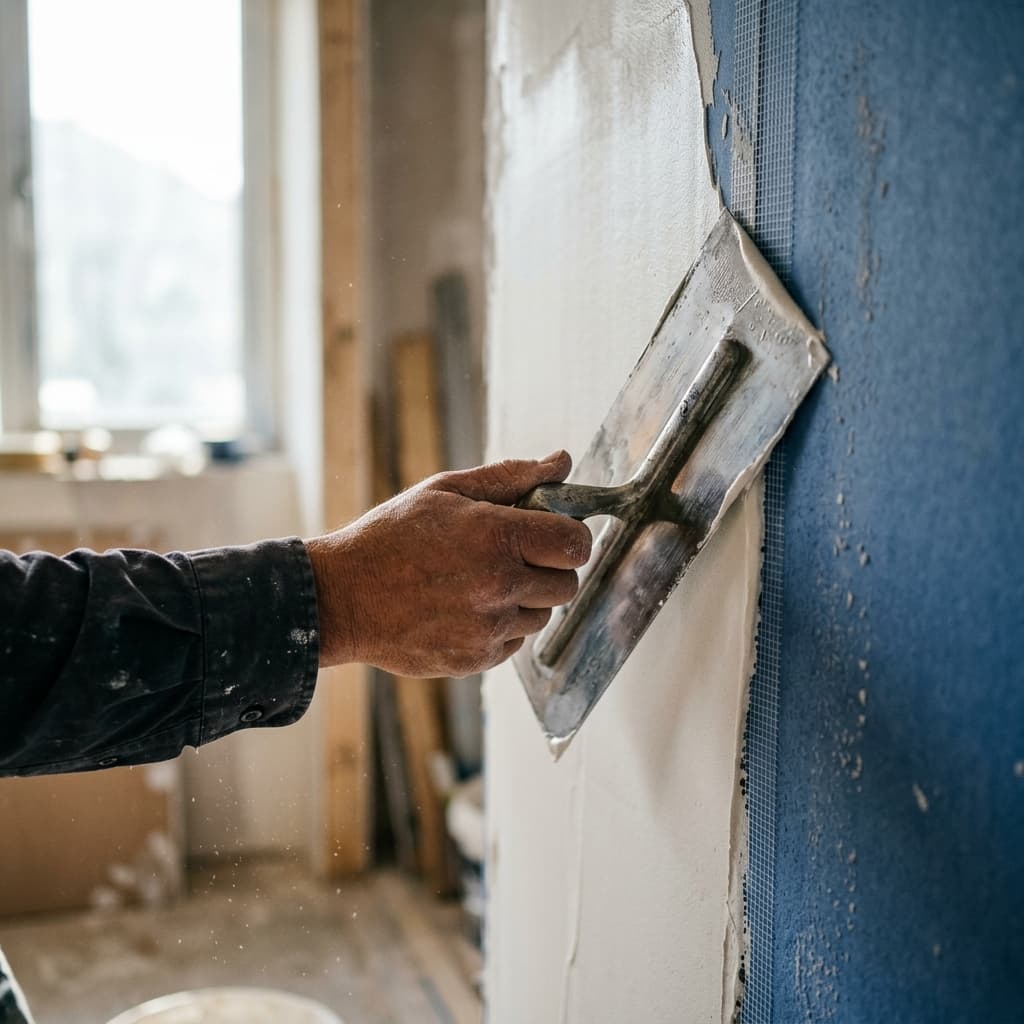
Taping and finishing (often referred to as "mudding") is what turns raw boards into a smooth surface. It requires three distinct coats of compound:

Commentaires